+44 1753 439 289 michelle@greatbritishtalent.com


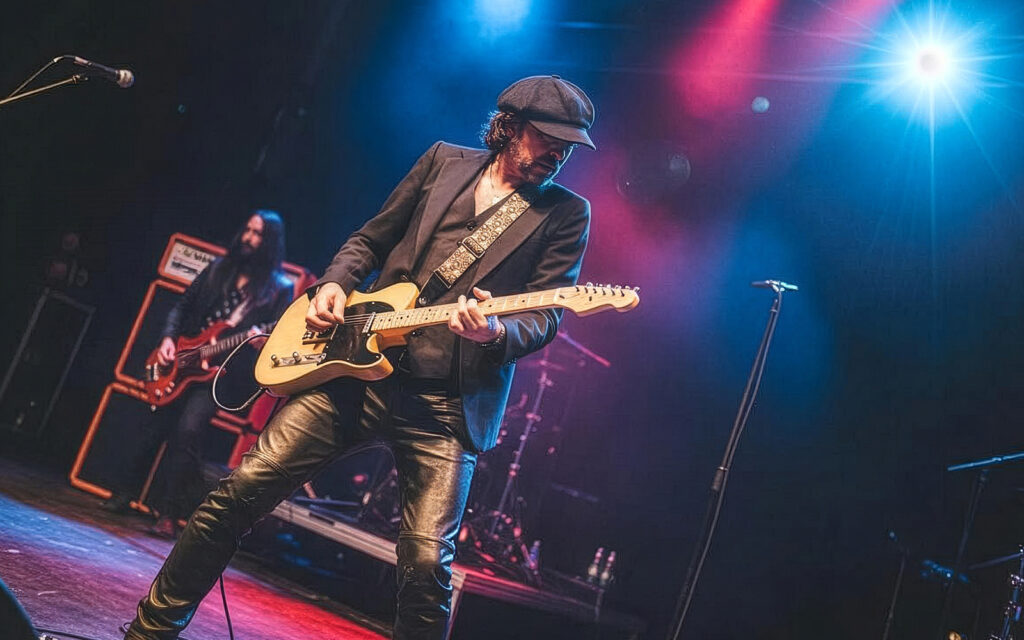
Above: Guy Griffin of the English hard rock band The Quireboys performs a live concert during the Danish metal festival Jailbreak 2023 in Horsens, Copenhagen, Denmark
Session musicians matter. These players are the behind-the-scenes legends who shaped countless hits across genres. When you listen to your favourite songs, you probably hear the lead singer, the main band, and maybe a famous producer. What you don’t usually hear are the highly skilled professionals behind the scenes—the session musicians. A session musician (also called a studio musician or backing musician) is someone hired to perform on a recording session or live gig who is not a permanent member of the featured artist’s band. Wikipedia+2musiciansunion.org.uk+2
These musicians rarely get the public credit they deserve, but their contributions are enormous: they bring precision, versatility, and creative input to songs, often across genres and media (albums, film, TV, adverts). In this article, Guy Griffin, professional musician and Great British Musicians partner, explores what a session musician does, the history and evolution of the role, key players who became legends in their own right, and how the modern landscape is changing.
What is a Session Musician?
In simple terms, a session musician is hired—on a per-session basis—to perform instrumentally or vocally for a project in which they are not the main featured artist. musiciansunion.org.uk+1 They may be brought in for a recording in a studio, for a live performance, for film/TV/advertising work, or for tours. According to the Musicians’ Union (UK):
“Session musicians can be engaged directly by a production company or record label, but are often engaged via a fixer (also known as a contractor) who has signed an agreement with the MU.” musiciansunion.org.uk+1
Typically, they are not credited as a featured artist, and they may not receive royalties in the way a main artist does—much of their remuneration is session fee-based, though copyright and licensing issues can vary. newworldencyclopedia.org+1
They often specialise in certain instruments (guitar, bass, drums, keyboards) but many have broad skills or “doubling” (playing multiple related instruments) to increase their usability. Wikipedia+1
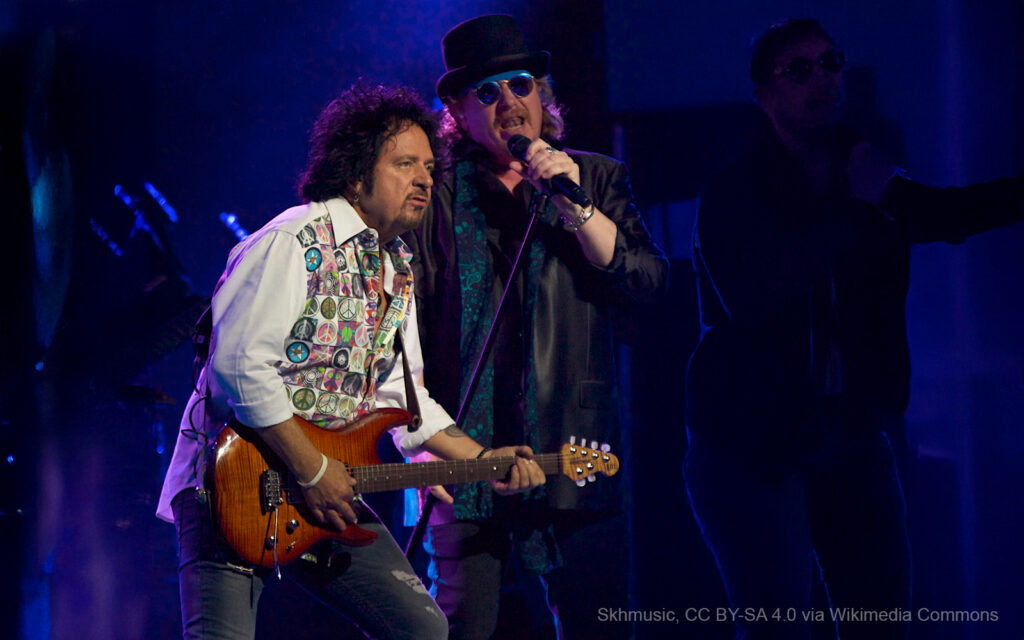
Steve Lukather on the Insane World of Studio Musicians
Here, Steve recounts some of his favourite memories working with Larry Carlton and Tommy Tedesco in Los Angeles during the heyday of studio musicians.
A Brief History of Session Musicians
The role of the session musician has evolved considerably across decades, and remains deeply tied to regional recording centres, studio technologies, and industry practices.
1950s–1960s
In the post-war era, large studios in cities like Los Angeles, Nashville, Detroit, Memphis and Muscle Shoals became recording hubs. These studios required versatile players who could step into a session and deliver quickly. newworldencyclopedia.org+2The New Yorker+2
For example:
-
In Los Angeles, the informal collective known as The Wrecking Crew played on hundreds of top-40 hits in the 1960s, backing artists from The Beach Boys to Frank Sinatra. Wikipedia+1
-
In Detroit, the Funk Brothers were the house studio musicians at Motown. newworldencyclopedia.org+1
-
In Nashville, the Nashville A‑Team were the go-to session players for country and pop. Wikipedia+1
What this meant is that many major records did not rely solely on the credited artist’s band—but on a core of highly competent session musicians capable of adapting to fast-paced work, shifting styles, and tight budgets/timeframes.
1970s–1980s
As recording technology advanced (multitracking, overdubs, synthesisers) the session musician had to be comfortable with studio workflow, sometimes layering parts, sometimes improvising under pressure. Regional hubs began to broaden, and the crediting of session musicians grew slightly—but in many cases, the general public still had no idea who they were. newworldencyclopedia.org
1990s–Present
In the digital era, home studios, remote collaboration, samples, and software instruments have changed the scenery. Some traditional session work has been displaced or transformed, but the demand for skilled live players remains strong—especially for quality recordings, live tours, film/TV work, and niche genres. The session musician now often needs not just playing ability, but studio savvy, the ability to read charts, adapt fast, possibly program or sequence, and collaborate remotely.
Why Artists Use Session Musicians
There are several compelling reasons for producers and artists to hire session musicians:
-
Speed and Efficiency: A seasoned session musician can walk into a studio, read a chart or grasp a part quickly, deliver a strong take, and move on, saving studio time (and money).
-
Specialist Skills: Some songs call for a particular style or instrument that the core band doesn’t specialise in—e.g., a jazz pianist, fretless bass, woodwinds, strings, or a certain groove.
-
Versatility and Style-Matching: Session musicians often work across genres and can adapt to what the producer or artist wants. They bring an implicit “language” of studio musicianship.
-
Reliability: Established session players show up prepared, know studio protocol, and reduce the risk of wasted takes.
-
Creative Input: Some high-level session musicians contribute beyond just playing notes—they suggest fills, alternative voicings, rhythmic ideas, or arrangement tweaks.
As one observer put it, if you’ve ever heard a pop classic from the 1960s US studio scene, chances are you’ve heard the Wrecking Crew or similar group—“you’ve heard the engine, though you didn’t see the hood ornament.” The New Yorker+1

What Makes a Great Session Musician?
If you’re a working musician aspiring to session work (or simply want to understand what sets the top players apart), here are key traits:
-
Technical mastery of your instrument – The better you play, the more you can assist the artist/producer’s vision.
-
Versatility – Ability to switch genres (pop, rock, jazz, country, soul), adapt to different tempos, styles, feels.
-
Reading charts/notation and ear skills – Many sessions require reading written parts or picking up quickly by ear.
-
Studio professionalism – Showing up on time, understanding recording protocol, delivering polished takes, and knowing when to stop.
-
Good communication & interpersonal skills – You work with many people (producer, engineer, artist), often under pressure; a friendly, cooperative demeanour helps.
-
Creativity & musical intuition – You may be asked to embellish or suggest parts; a really good session musician adds value.
-
Reliability under pressure – Studio time is expensive; results must be delivered quickly.
-
Adaptability to technology – Modern sessions may involve remote work, click-tracks, MIDI, and sample.
The Hidden Legacy of Session Musicians
Because session musicians often weren’t credited or marketed publicly, their legacy is sometimes “behind the scenes.” Yet their impact is immense. For example:
-
The Wrecking Crew: “If you’ve heard … The Crystals, The Mamas and the Papas, The Beach Boys … you’ve heard the Wrecking Crew.” The New Yorker+1
-
The NYU article notes that the role of these players in studio history (especially in regional hubs) has been underexplored. Cambridge University Press & Assessment+1
Session musicians were often the “engine” behind hit records, while the featured artists got the “hood ornament.” This makes acknowledging them an important part of music history comprehension.
Guy Griffin’s Signature Session Musicians: Profiles & Highlights
Firstly, a bit about Guy:

Guy Griffin is a British musician, guitarist, singer, and songwriter best known as a founding member of the iconic rock band The Quireboys. Formed in London in the mid-1980s, The Quireboys blended gritty rhythm and blues with classic rock swagger, drawing comparisons to The Faces and The Rolling Stones. Griffin’s soulful guitar work and melodic sensibilities have been central to the band’s distinctive sound from the start.
As a co-writer on many of The Quireboys’ most enduring songs—including fan favourites from their acclaimed debut A Bit of What You Fancy (1990)—Griffin has helped shape the group’s reputation for heartfelt storytelling and raw, authentic rock energy. Following the band’s resurgence in the 2000s, Griffin took on a greater leadership role, steering their musical direction and contributing to albums such as Beautiful Curse and Amazing Disgrace.
Renowned for his dynamic stage presence and tight musicianship, Griffin continues to perform and record, keeping The Quireboys’ spirit alive for new generations of fans. Balancing vintage rock influences with contemporary grit, his career reflects a lifelong dedication to the craft of songwriting and performance—cementing his status as one of the most respected figures in modern British rock.
In 2025, he teamed up with partner Michelle Livings to create Great British Musicians, part of Great British Talent.
Here are Guy’s top 50 most celebrated session musicians across different instruments and eras. Each of these artists arguably helped define the craft of the session musician.
Guitarists
-
Tommy Tedesco – Member of the Wrecking Crew, played on hits for The Beach Boys, The Monkees, and countless film scores.
-
Steve Lukather – Toto’s guitarist and a prolific session player for Michael Jackson, Lionel Richie, and many more.
-
Larry Carlton – Known for his silky tone; worked with Steely Dan, Joni Mitchell, and Michael Jackson.
-
Dean Parks – Versatile guitarist appearing on albums by Steely Dan, Madonna, and Stevie Wonder.
-
Tim Pierce – Modern session ace for artists like Bruce Springsteen, Michael Jackson, and John Legend.
Drummers
-
Hal Blaine – The most recorded drummer in history; part of the Wrecking Crew, playing on 6,000+ tracks.
-
Jeff Porcaro – Toto’s founding drummer; session credits include Steely Dan, Boz Scaggs, and Michael Jackson.
-
Jim Keltner – Favoured by John Lennon, Bob Dylan, and Eric Clapton for his deep musical intuition.
-
Steve Gadd – Legendary for his work with Paul Simon, Steely Dan, and Chick Corea.
-
Vinnie Colaiuta – Known for his technical mastery; played with Sting, Frank Zappa, and Joni Mitchell.
-
Russ Kunkel – A mainstay of the 1970s singer-songwriter scene (James Taylor, Carole King, Jackson Browne).
Keyboardists
-
Nicky Hopkins – British pianist on tracks by The Rolling Stones, The Who, and The Beatles.
-
David Foster – Renowned producer and session keyboardist for Chicago, Earth, Wind & Fire, and more.
-
Greg Phillinganes – Played on nearly every major pop record of the ’80s; longtime collaborator with Stevie Wonder.
-
Chuck Leavell – Pianist for The Allman Brothers Band and The Rolling Stones’ touring keyboardist.

Bassists
-
James Jamerson – The heartbeat of Motown; played uncredited on countless hits.
-
Carol Kaye – Pioneering female bassist of the Wrecking Crew; recorded with The Beach Boys and Simon & Garfunkel.
-
Leland Sklar – Session mainstay for Phil Collins, Jackson Browne, and James Taylor.
-
Nathan East – Smooth, melodic bassist for Eric Clapton, George Michael, and Daft Punk.
-
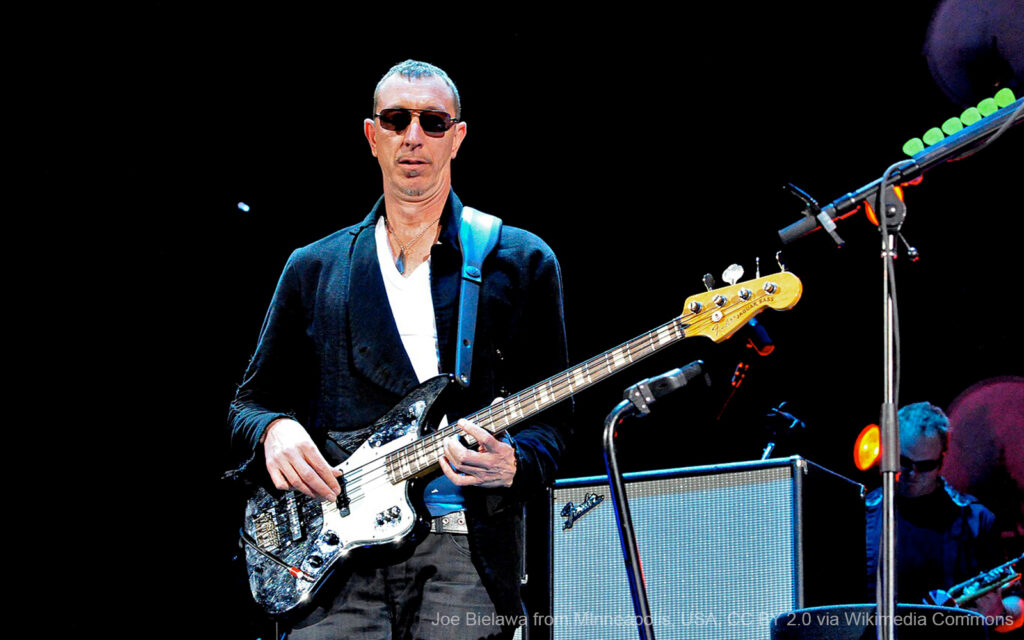
Pino Palladino – Known for his fluid fretless style with The Who, John Mayer, and D’Angelo.
Horn Players
-
Tom Scott – Saxophonist and arranger for Joni Mitchell, Steely Dan, and the Blues Brothers.
-
Jerry Hey – Trumpet player and arranger behind many Quincy Jones productions, including Michael Jackson’s Thriller.
String Players & Orchestrators
-
Paul Buckmaster – Cellist and arranger for Elton John and David Bowie.
-
David Campbell – Violinist and arranger for Adele, Beck, and U2.
Backing Vocalists
-
Merry Clayton – Powerful voice behind “Gimme Shelter” and countless other recordings.
-
Lisa Fischer – Stellar session and touring vocalist with The Rolling Stones and Luther Vandross.
Producers/Multitalented Session Leaders
-
Quincy Jones – Started as a trumpeter and arranger before becoming a legendary producer.
-
George Martin – The “Fifth Beatle,” blending classical and pop sensibilities in studio innovation.
-
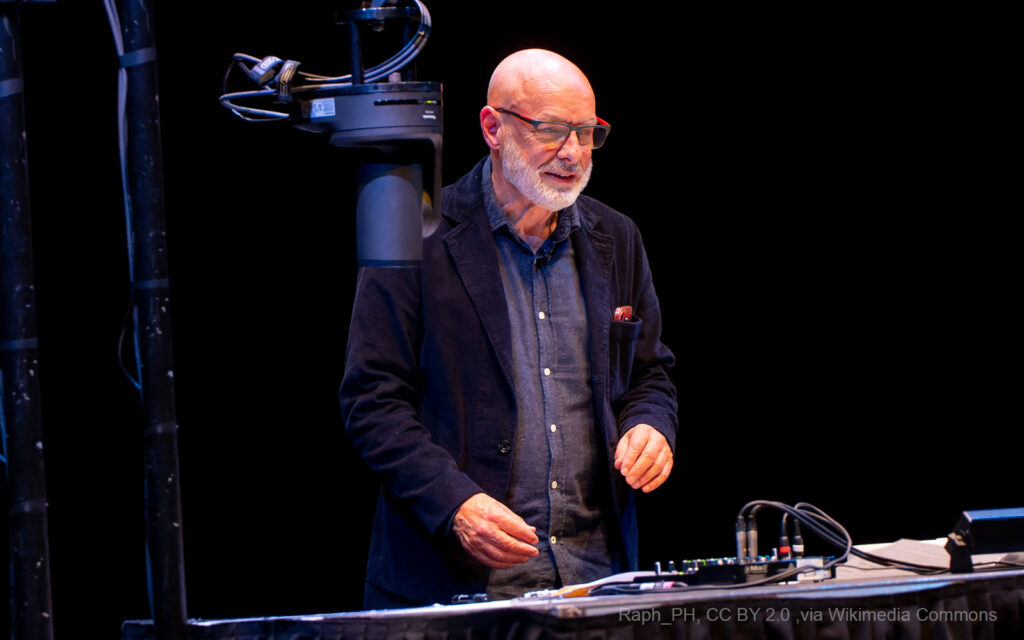
Brian Eno – Known for ambient production and experimental session work with U2 and Talking Heads.
Modern Standouts
-
Blake Mills – Contemporary guitarist and producer known for work with Alabama Shakes and Fiona Apple.
-
Abe Laboriel Jr. – Drummer and session veteran, longtime member of Paul McCartney’s band.
-
Daru Jones – Innovative drummer known for his work with Jack White and hip-hop artists.
Guitarists & Multi-Instrumentalists
33. Brent Mason – A Nashville session musician famous for his dazzling Telecaster work. He has played on hundreds of country hits for artists like Alan Jackson, George Strait, and Shania Twain, defining the modern Nashville sound.
34. Dann Huff – Former guitarist of the rock band Giant who became a first-call session guitarist and later a top producer. Huff worked extensively in Los Angeles and Nashville, recording with Whitney Houston and Faith Hill.
35. Waddy Wachtel – Known for his gritty tone and tasteful phrasing, Wachtel has been a longtime session guitarist and live player for Stevie Nicks, Linda Ronstadt, and Keith Richards.
36. Reggie Young – A cornerstone of the Memphis and Nashville studios, Young’s understated but soulful playing graced hits by Elvis Presley, Dusty Springfield, and Willie Nelson
Drummers & Percussion Masters
37. Bernard Purdie – The world’s most recorded drummer with over 3,000 albums. Nicknamed “Pretty Purdie,” this session drummer is renowned for his trademark shuffle groove, heard on records by Aretha Franklin, Steely Dan, and James Brown.
38. Roger Hawkins – As part of the Muscle Shoals Rhythm Section, Hawkins laid down deep grooves on classics for Wilson Pickett, Aretha Franklin, and Percy Sledge.
39. Earl Palmer – A foundational New Orleans and Los Angeles session drummer, Palmer played on early rock-and-roll tracks for Little Richard, Fats Domino, and later film and TV soundtracks.
40. Jim Gordon – One of the busiest session drummers of the 1970s, contributing to Derek and the Dominos, Steely Dan, and countless others. Despite his troubled life, his playing remains revered.
Keyboard & Synth Innovators
41. Billy Preston – Sometimes called “the Fifth Beatle,” Preston was a soulful session keyboardist and organist who played with The Beatles, The Rolling Stones, and Eric Clapton, also enjoying solo hits like Nothing from Nothing.
42. Richard Tee – A session pianist with a gospel-infused style, Tee was integral to Paul Simon’s and Aretha Franklin’s recordings, and a member of the band Stuff.
43. David Paich – Co-founder of Toto and one of the busiest LA session keyboardists of the late ’70s and ’80s, contributing arrangements and piano parts to Steely Dan, Boz Scaggs, and Michael Jackson.
Bass Innovators
44. Donald “Duck” Dunn – The backbone of Stax Records’ house band, Booker T. & the MG’s. This session bassist anchored hits for Otis Redding, Sam & Dave, and Albert King.
45. Tony Levin – Famous for his work with Peter Gabriel and King Crimson, Levin’s innovative Chapman Stick and bass playing have made him a first-call session musician in rock and progressive genres.
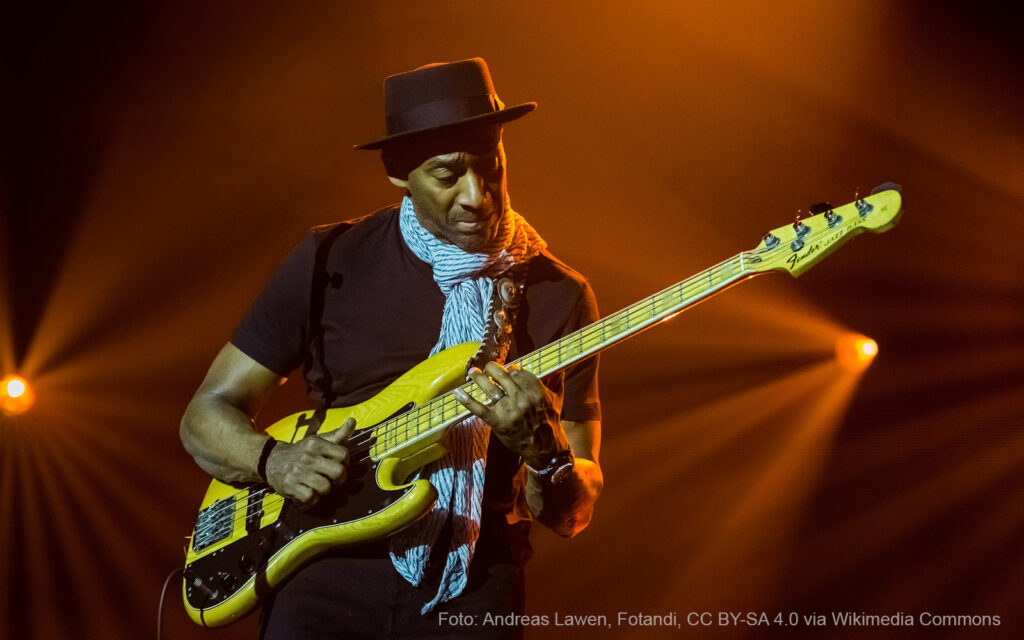
46. Marcus Miller – A virtuoso session bassist and producer, Miller defined the sound of jazz-fusion and R&B in the ’80s, collaborating with Miles Davis, Luther Vandross, and David Sanborn.
Vocalists & Harmonists
47. Darlene Love – A powerhouse session vocalist for Phil Spector’s Wall of Sound productions, including He’s a Rebel and Christmas (Baby Please Come Home).
48. Clare Torry – The British session singer whose improvised vocal performance on Pink Floyd’s The Great Gig in the Sky became one of the most iconic moments in rock history.
49. Tata Vega – A versatile session vocalist who contributed to Stevie Wonder’s projects and many film soundtracks, including The Color Purple.
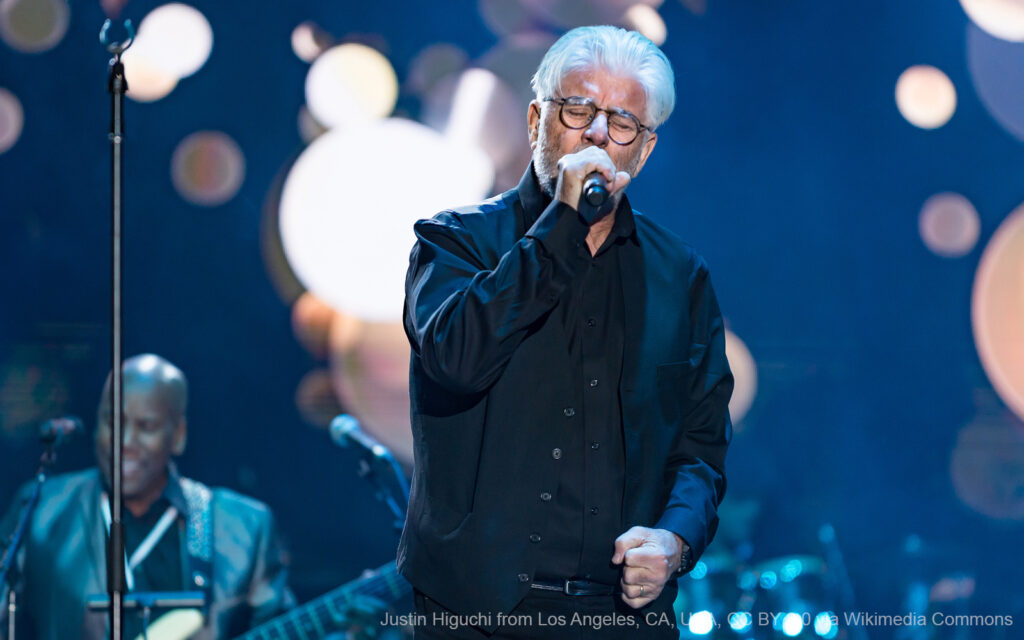
50. Michael McDonald – Before his fame with The Doobie Brothers, McDonald was an in-demand session musician and backing vocalist for Steely Dan and Christopher Cross, known for his soulful tone.
The Global Reach of the Session Musician
While most famous examples come from the U.S. and the UK, session musicians exist worldwide. London’s Abbey Road, Nashville’s Music Row, and L.A.’s Capitol Studios remain major hubs, but new centres in Berlin, Tokyo, and Seoul also employ top-tier talent. The rise of online collaboration platforms such as SoundBetter and AirGigs has allowed session musicians from every continent to contribute to international recordings without leaving their home studios.
Why These Musicians Matter
Collectively, these 50 session musicians shaped the musical DNA of the 20th and 21st centuries. Their professionalism, adaptability, and creative instincts transformed raw ideas into enduring art. Whether playing a subtle bass line, a thunderous drum fill, or a perfect vocal harmony, each session musician contributed to music history in ways few listeners ever realise.
Conclusion: The Timeless Art of the Session Musician
The story of the session musician is one of quiet mastery and boundless creativity. While their names might not always appear in bold on album covers, these artists are the heartbeat of popular music. From the early days of the Wrecking Crew and Motown’s Funk Brothers to today’s remote collaborators who record from home studios across the globe, session musicians have always been the bridge between inspiration and execution.
A great session musician doesn’t just play notes — they understand intention. They sense what a song needs, whether it’s a subtle rhythmic push, a melodic counterline, or emotional restraint. Their gift is transforming artistic vision into sound, often within hours.
As music technology continues to evolve, the role of the session musician will adapt but never disappear. Machines may replicate tone and timing, but they can’t emulate the human touch — that intuitive sense of feel, timing, and soul that gives music its heart.
In every riff, groove, and harmony that lives on through decades of recordings, you’ll find their fingerprints. The next time you hear a song that moves you, remember: a world-class session musician might be the reason it feels alive.
Key Takeaways
-
Session musicians are the unsung heroes of recording history, bringing technical expertise and emotional depth to songs across every genre.
-
Legendary players like Hal Blaine, Carol Kaye, James Jamerson, and Larry Carlton helped define the golden age of studio music.
-
Modern session musicians thrive through remote recording, digital collaboration, and personal branding.
-
Success in this field demands not only musical skill but also professionalism, adaptability, and technological fluency.
-
As the music industry continues to globalise, the need for authentic, emotionally resonant performances ensures that the art of the session musician remains irreplaceable.
Contact Us!

[email protected]
+44 1753 439 289